
MateRico field guide
Yerba mate: what it is, how to prepare it, and how styles differ
Yerba mate is an infusion made from the dried leaves and young stems of Ilex paraguariensis, a South American holly. It can be prepared hot as mate or cold as terere, with the cut, drying method, origin, and added botanicals shaping the cup.
What is yerba mate?
Yerba mate is both a plant product and the drink prepared from it. The accepted botanical species is Ilex paraguariensis, an evergreen shrub or tree in the holly family. Producers harvest leaves and young stems, then heat, dry, mill, and often age them before packing.
The plant is native across parts of northeastern Argentina, Brazil, Paraguay, and Uruguay. Preparation traditions differ across the region, but the shared pattern is repeated infusion through a filtered straw called a bombilla.
How do you prepare hot yerba mate?
The goal is a stable leaf bed and controlled pouring, not one fully flooded cup. Package instructions and the cut of the yerba should override any universal recipe.
- 01
Fill and tilt
Add yerba to the vessel, cover the opening, and tilt it so the dry leaf forms a slope with a lower wet side.
- 02
Protect the dry side
Moisten the lower side first. This helps the leaf bed hold its shape and keeps part of the yerba dry for later pours.
- 03
Place the bombilla
Insert the filtered end into the moistened pocket and leave it in place instead of stirring the whole vessel.
- 04
Pour in one area
Add hot, not boiling, water beside the bombilla. Refill the same pocket and gradually wet more leaf as the flavor fades.
How do yerba mate styles differ?
These are useful starting points, not rigid rules. Check each product page for its actual origin, ingredients, cut, drying method, and preparation notes.
Argentine styles
Often balance leaf, stems, and some powder, with aged profiles that can range from gentle and cereal-like to woody and smoky.
Explore this styleParaguayan styles
Frequently lean bold, herbal, or refreshing and are strongly associated with both hot mate and cold terere preparation.
Explore this styleBrazilian and chimarrao styles
Often look greener and fresher, with very fine cuts that call for a suitable cuia, bomba, and careful water placement.
Explore this styleUruguayan-style cuts
Commonly use a fine, powder-rich cut and a strong profile. Style and production origin should be checked separately on each product.
Explore this styleChoose by preparation, profile, or ingredients
New to yerba mate
Start with preparation basics and profiles selected for a more approachable first cup.
Open the beginner guideCold terere
Compare products and flavor signals suited to cold water, ice, citrus, herbs, and warm-weather drinking.
Open the terere guideChimarrao
Learn how fine green Brazilian styles differ in cut, vessel, filter, and preparation technique.
Open the chimarrao guideStrong profiles
Use bitterness, smoke, body, cut, and origin as separate signals instead of relying on one vague strength label.
Compare stronger profilesSmoked and barbacua
Trace woody, roasted, and smoke-dried character back to production signals and individual product records.
Explore smoked yerba mateOrganic products
Check explicit organic and certification data without inferring sourcing claims from a brand name or package style.
Explore organic yerba mateCompare current yerba mate profiles
Open a product profile for the available origin, cut, flavor, preparation, and source details.
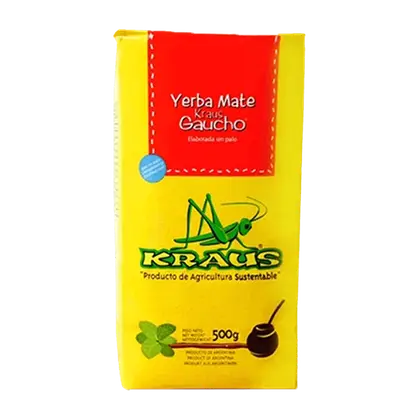
Argentina
Kraus Gaucho Sin Palo
Kraus Gaucho is a certified-organic Argentine yerba mate sin palo, dried with indirect hot air from a boiler and explicitly unsmoked.
Open product profile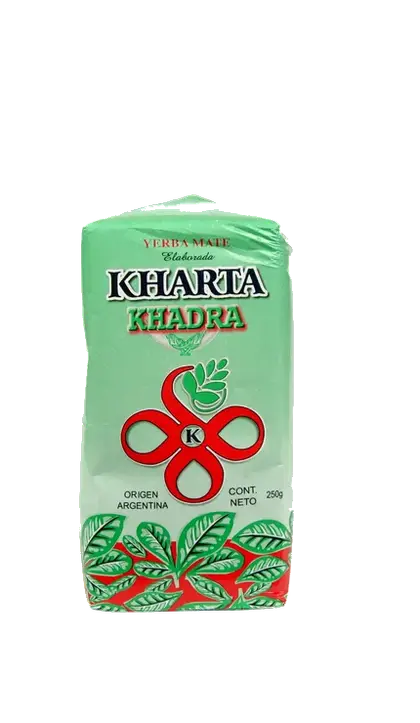
Argentina
Kharta Khadra Elaborada
Middle Eastern market yerba with Argentinian leaf from Comandante Andresito; a dusty elaborada con palo cut with light sweetness, classic bitterness, and a gentle smoky herbal note.
Open product profile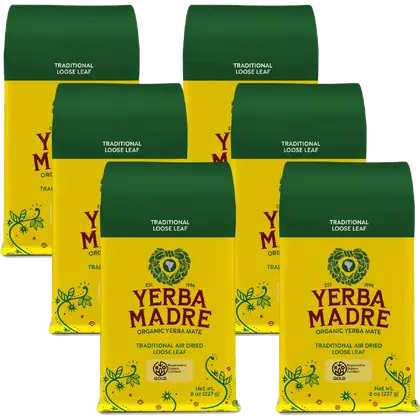
Argentina
Yerba Madre Traditional Loose Leaf
Traditional air-dried Yerba Madre loose leaf made from Regenerative Organic Certified yerba mate. It is a pure loose-leaf format with a full-bodied flavor, smooth palate, earthy aromas, and flexible preparation in a gourd, French press, or infuser.
Open product profile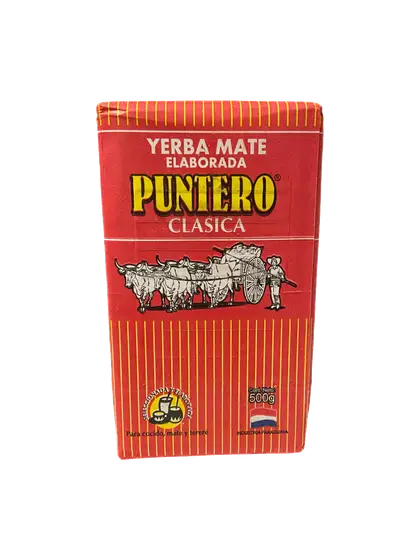
Paraguay
Puntero / Unimate Puntero Tradicional
paraguayan tradicional · Paraguay · smoky, earthy, salty
Open product profileBrowse by origin, flavor, processing, or brand
Search is useful for known names. Browse routes are better when the question starts with origin, flavor, processing, or brand.
Open the full guide and comparison indexes
Choose a preparation guide, drinking goal, flavor, origin, or product comparison. Every topic links back to current product profiles.
How MateRico maintains this guide
The overview separates sourced background from catalog observations. Product attributes come from current MateRico profiles, while botanical, historical, and cultural statements link to public institutions below.
Yerba mate naturally contains caffeine, but product strength and individual response vary. MateRico does not use this page for medical advice and does not infer health benefits from catalog fields.
Corrections are welcome through the site contact channel. Dates change only when visible content or evidence changes materially.
Sources
- Kew Science: Ilex paraguariensis
Accepted botanical name, classification, and native range.
- Argentina.gob.ar: El mate
Plant, preparation, Guarani history, and cultural context.
- Argentina cultural heritage: Mate
Everyday preparation and the social practice of sharing mate.
- Yerba Mate Argentina / INYM publications
Preparation and sector publications from the Argentine yerba mate institute.
- FAO: mate and native forest production
Recent reporting on yerba mate, forests, producers, and cultural continuity in southern Brazil.